
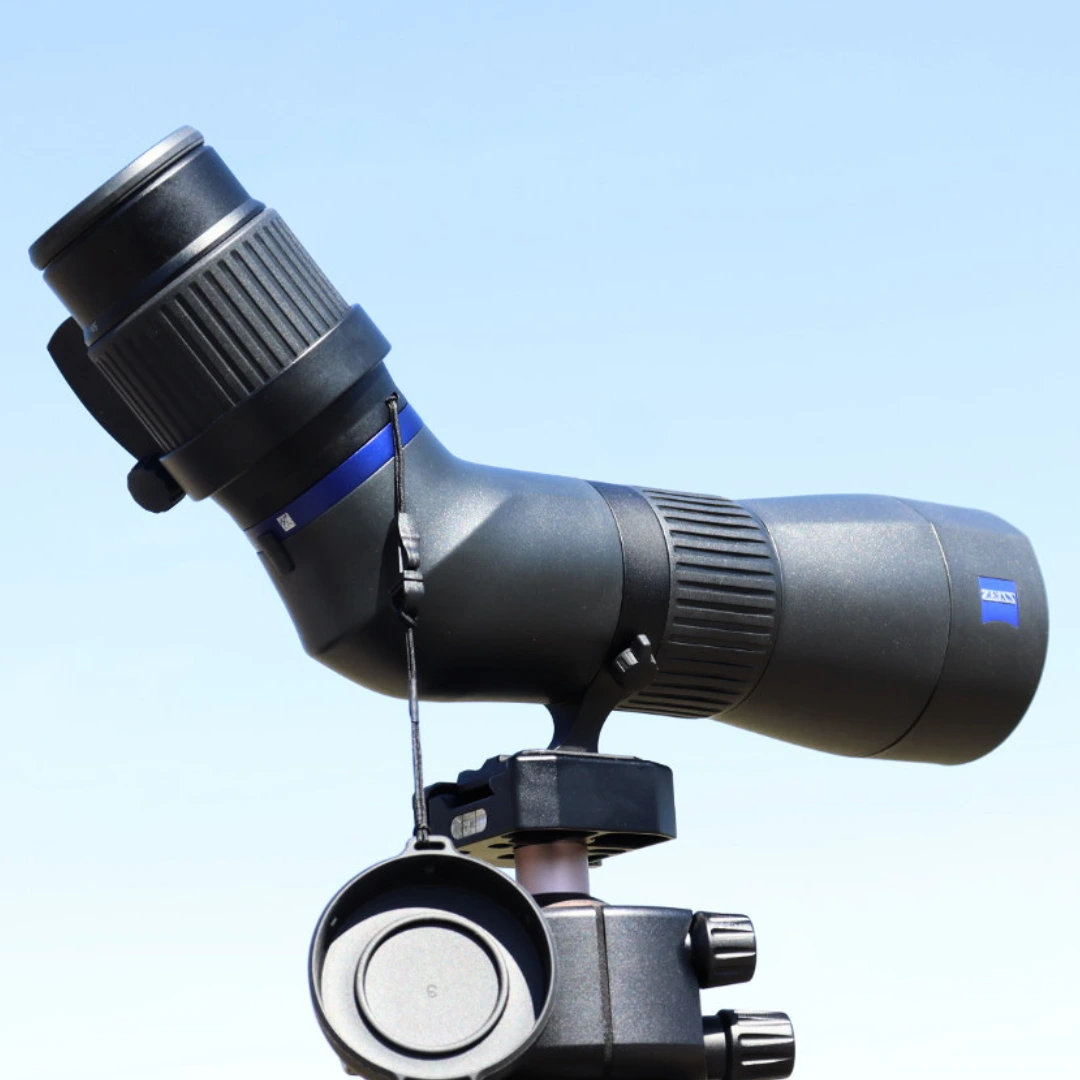
A compact spotting scope always sounds like the easy answer. It is easier to pack, easier to carry, and easier to justify bringing along on long days in the field. The problem is that many compact spotters start to show their limits once you want them to do serious spotting scope work. More detail at distance, a more relaxed image, and better all around comfort are usually where the compromises begin to show.
That is what makes the new Zeiss Apia 20-50×65 interesting.
On paper, this looks like a spotting scope built around a very specific goal. It seems designed for people who want something compact enough to carry all day, but capable enough to still feel like a serious field optic when conditions demand more from it. That is a hard balance to get right, and it is also exactly why this category matters so much to hunters, guides, wildlife observers, and other users who spend long hours behind glass.
Why compact spotting scopes can feel limited
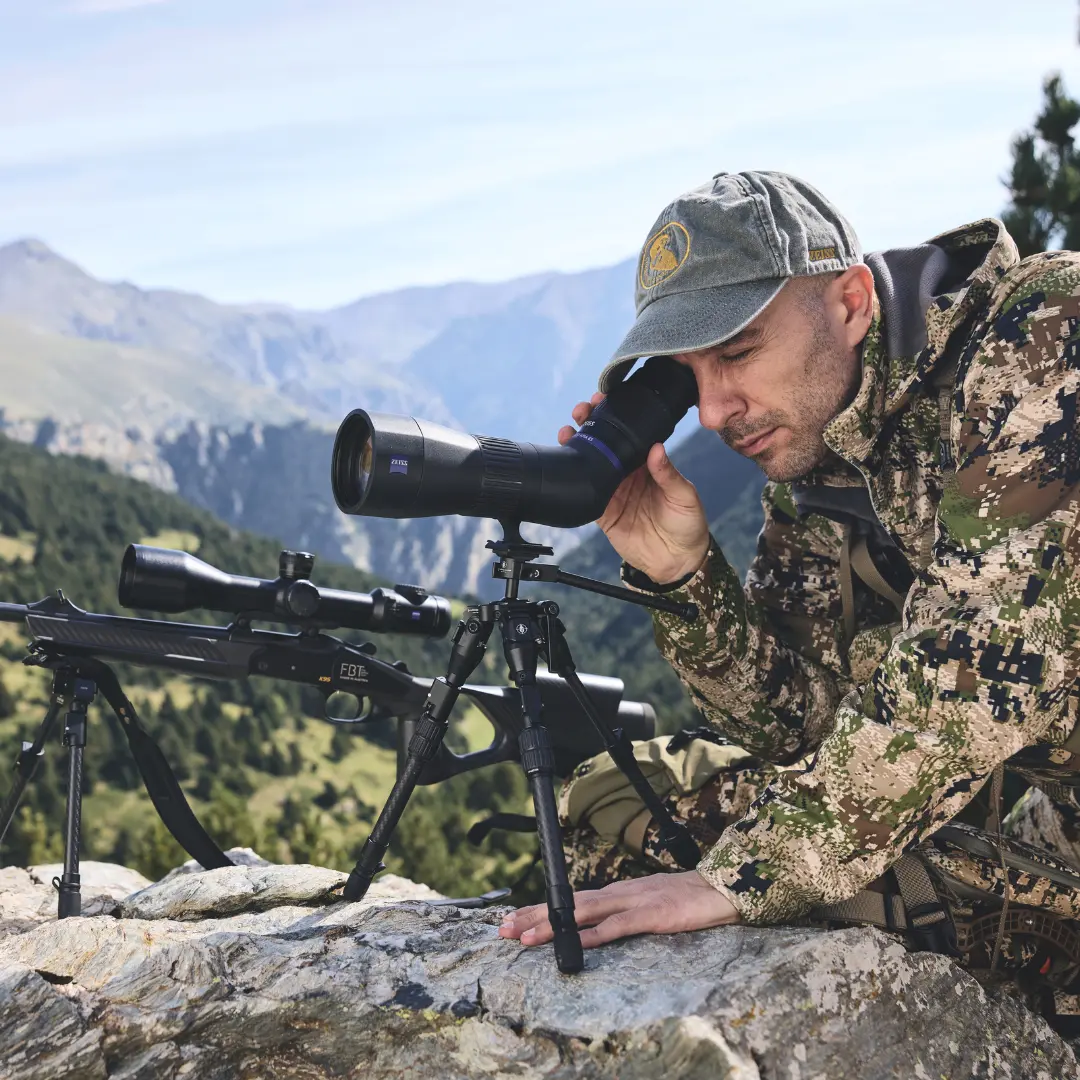
Most spotting scopes push you in one of two directions. You can go very small and very portable, which makes a lot of sense if mobility is your top priority. The tradeoff is that smaller spotters can start to feel limiting when you want more image confidence, more reach, or a more comfortable viewing experience over extended use.
Or you can step up to a larger traditional spotting scope. That often gives you more optical authority, especially when you are trying to study detail at a longer distance or in less than ideal light. The downside is obvious. Bigger optics are bulkier, heavier, and less convenient to carry over a full day in the field.
That is why a compact 65mm spotting scope can be so appealing. It gives users a chance to land somewhere in the middle. You get more potential than the smallest compact options, but without committing to the size and weight of a much larger system.
Where the Zeiss Apia 20-50×65 fits
That middle ground appears to be exactly where the Zeiss Apia 20-50×65 is meant to live.
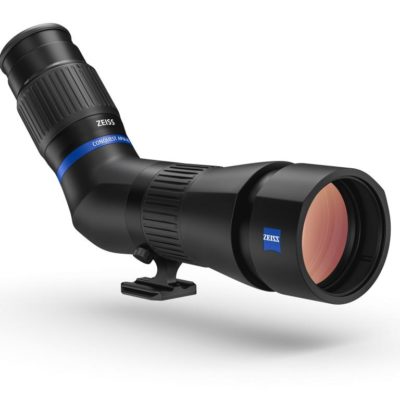
With a 65mm objective, a 20 to 50x magnification range, a compact overall length, and a relatively manageable weight, it looks aimed at users who want real spotting scope capability in a more field friendly format. Instead of chasing the smallest footprint possible or the highest magnification on paper, this scope is focused on balance.
That may end up being the real value here.
A spotting scope like this does not need to be the absolute lightest or the most extreme to be compelling. In many cases, the most useful optic is the one that offers enough performance to justify bringing it every time. That is especially true for hunters and field users who need a spotting scope to feel portable without feeling compromised.
Why the 20 to 50x magnification range makes sense
One of the more practical features of this new Zeiss spotting scope is its magnification range.
Starting at 20x is important because lower magnification tends to make scanning easier. It can help with finding subjects, following movement, and getting settled behind the optic without feeling like everything is too tight or too jumpy. In real use, that often matters more than people think.
At the top end, 50x should offer enough reach for more serious detail recognition when conditions allow. That gives the scope a useful amount of flexibility without pushing so far that the entire experience starts to feel overly specialized.
For many users, that is the kind of range that makes the most sense. You want enough magnification to study detail when needed, but you also want a spotting scope that feels easy to use at the lower end. A 20-50×65 layout has a strong case because it supports both needs in a compact format.
A compact spotting scope that still aims to feel refined
The other reason this scope stands out is that the product information is not just centered around portability. There is a clear emphasis on the optical experience as well.
Zeiss is highlighting edge to edge sharpness, a high definition optical concept, 87 percent transmission, and FieldFlattener technology as part of the overall package. The important part is not simply listing those features. It is what they suggest about the intended experience. This does not look like a compact spotter that is only supposed to be convenient. It looks like a compact spotter that is supposed to still feel premium and enjoyable to use.
That distinction matters.
A lot of compact optics are appreciated because they are easy to carry, but they are not always the optics you want to spend long sessions behind. If this scope can deliver a clean, bright, and comfortable image throughout its magnification range, that could make it a very attractive option for users who have been hesitant to go smaller.
Why ergonomics matter just as much
One of the most useful parts of the design may have nothing to do with the glass itself.
The placement of the focus wheel before the scope foot is a genuinely practical detail. On a mounted spotting scope, that kind of control placement can make a big difference in how natural the optic feels to use. Add in the larger elevated focus and zoom wheels, and it starts to look like a product designed around real field handling rather than just headline specs.
That matters because a spotting scope can have excellent optical performance on paper and still feel awkward in use. Good ergonomics improve speed, comfort, and confidence, especially during longer observation sessions or when using gloves.
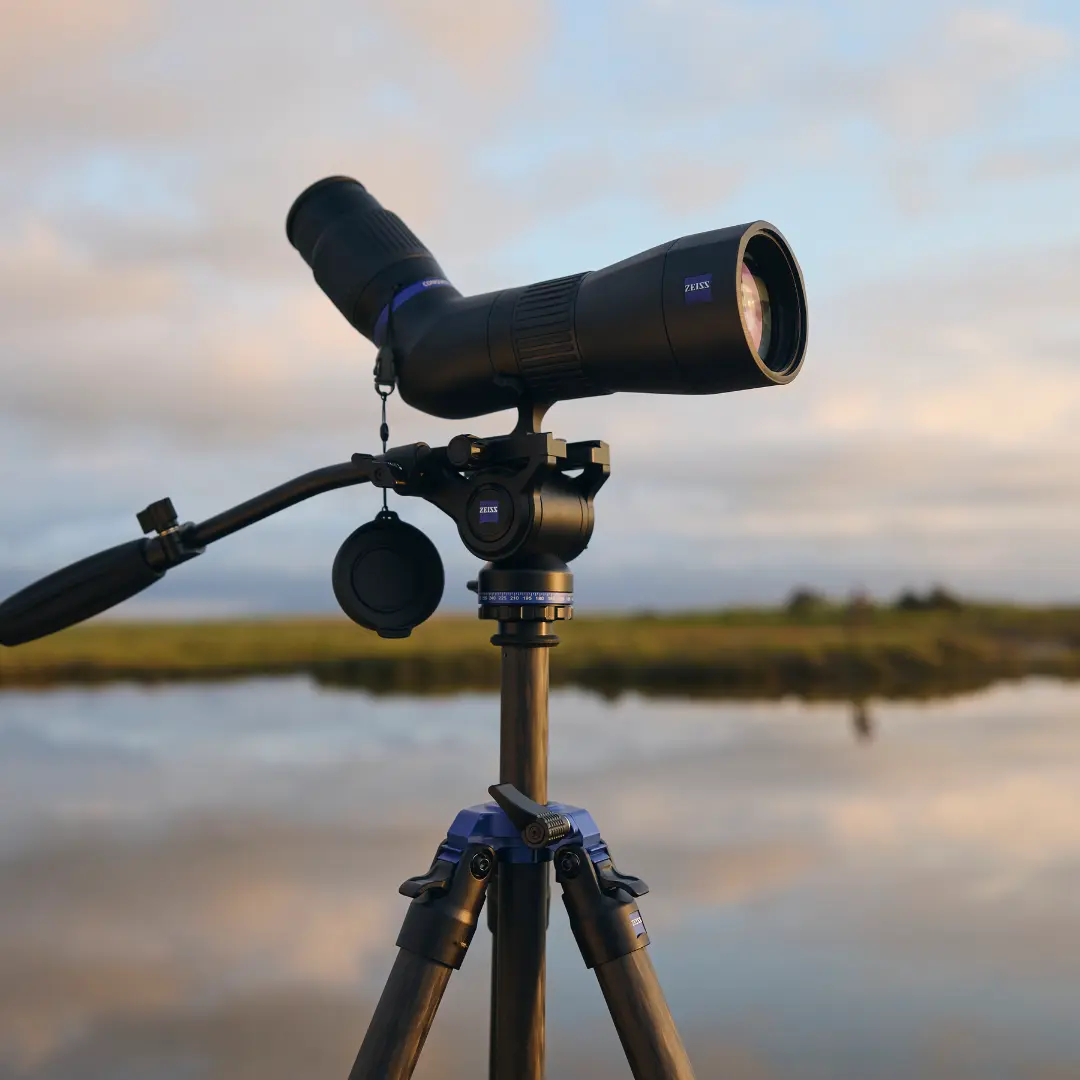
The included system details also support that same theme. An Arca Swiss compatible foot, a throw lever, and a stay on case all point toward a spotting scope designed to be practical in the field, not just technically impressive in a product listing.
Final thoughts on the new Zeiss Apia 20-50×65
The most interesting thing about the Zeiss Apia 20-50×65 is that it does not appear to be chasing an extreme. It is not trying to be the smallest spotting scope possible, and it does not look like it is trying to replace every larger optic for every user.
Instead, it seems built around a much more useful idea.
Give people a compact 65mm spotting scope that is light enough to carry without hesitation, capable enough to be taken seriously, and refined enough to stay comfortable over real time in the field.
For hunters, guides, wildlife observers, and other users who want one spotting scope that feels genuinely practical across a wide range of use, that is a compelling direction. If this scope delivers on that balanced approach in real world use, it could end up being one of the more interesting premium compact spotting scope options in this category.
Shop Zeiss Apia
Precision Optics
Watch our First Look Review